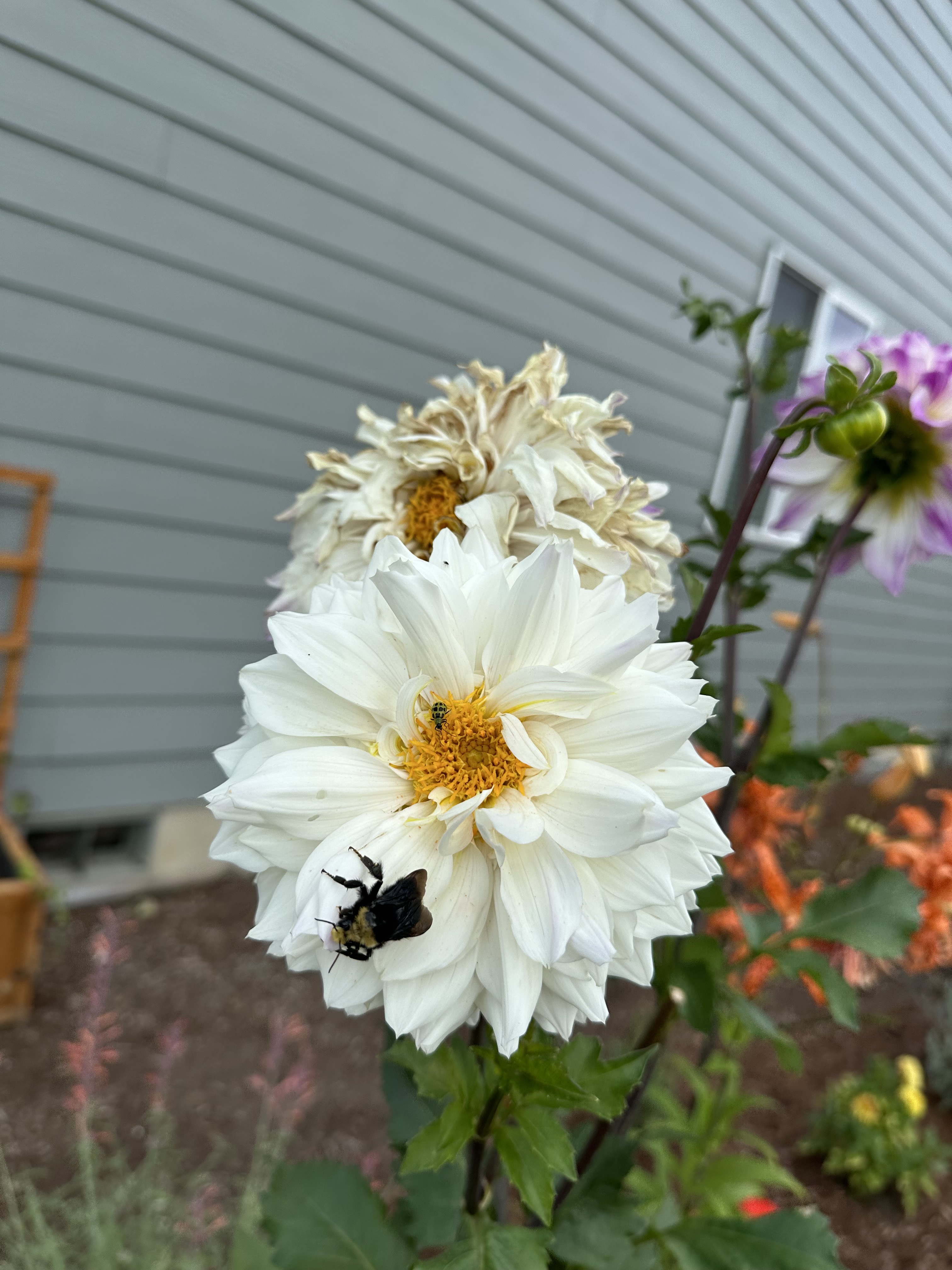
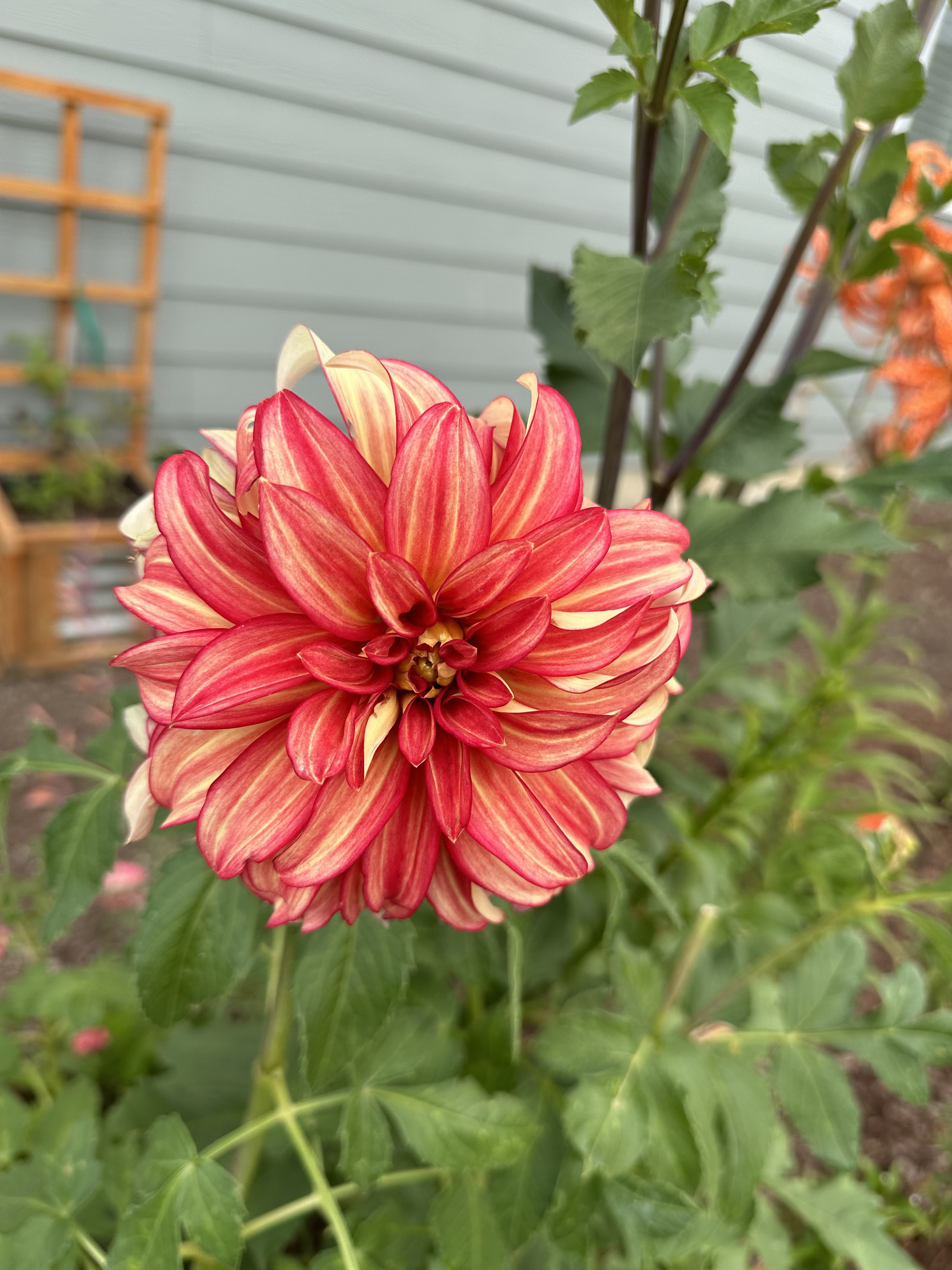
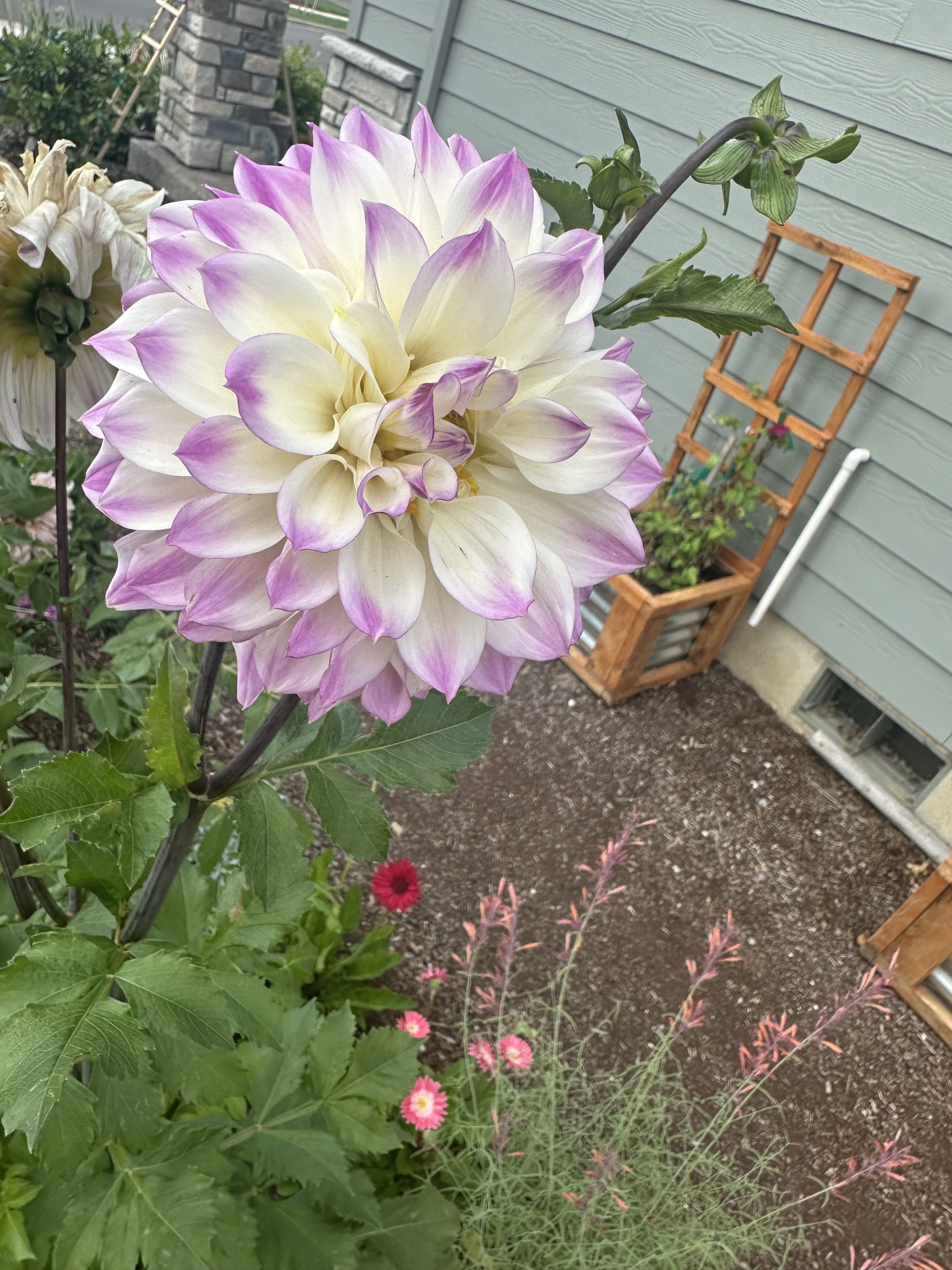
Dahlia
Dahlia hybrids
Dahlias are tuberous, summer-to-frost bloomers prized for their huge range of flower forms, saturated color, and strong cut-flower performance. In a warm, sunny garden they build momentum through late summer and often peak just as many other beds begin to fade.
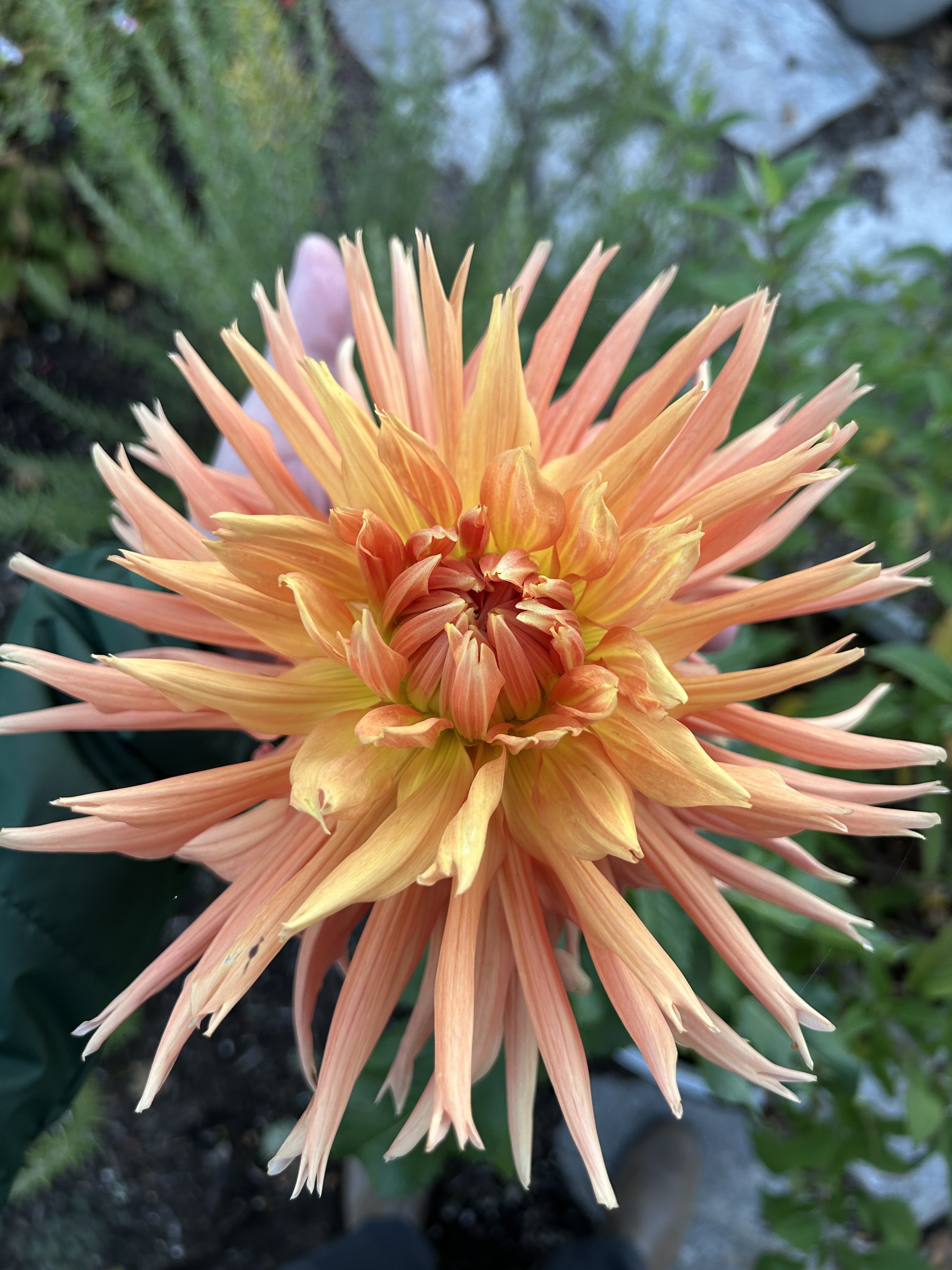
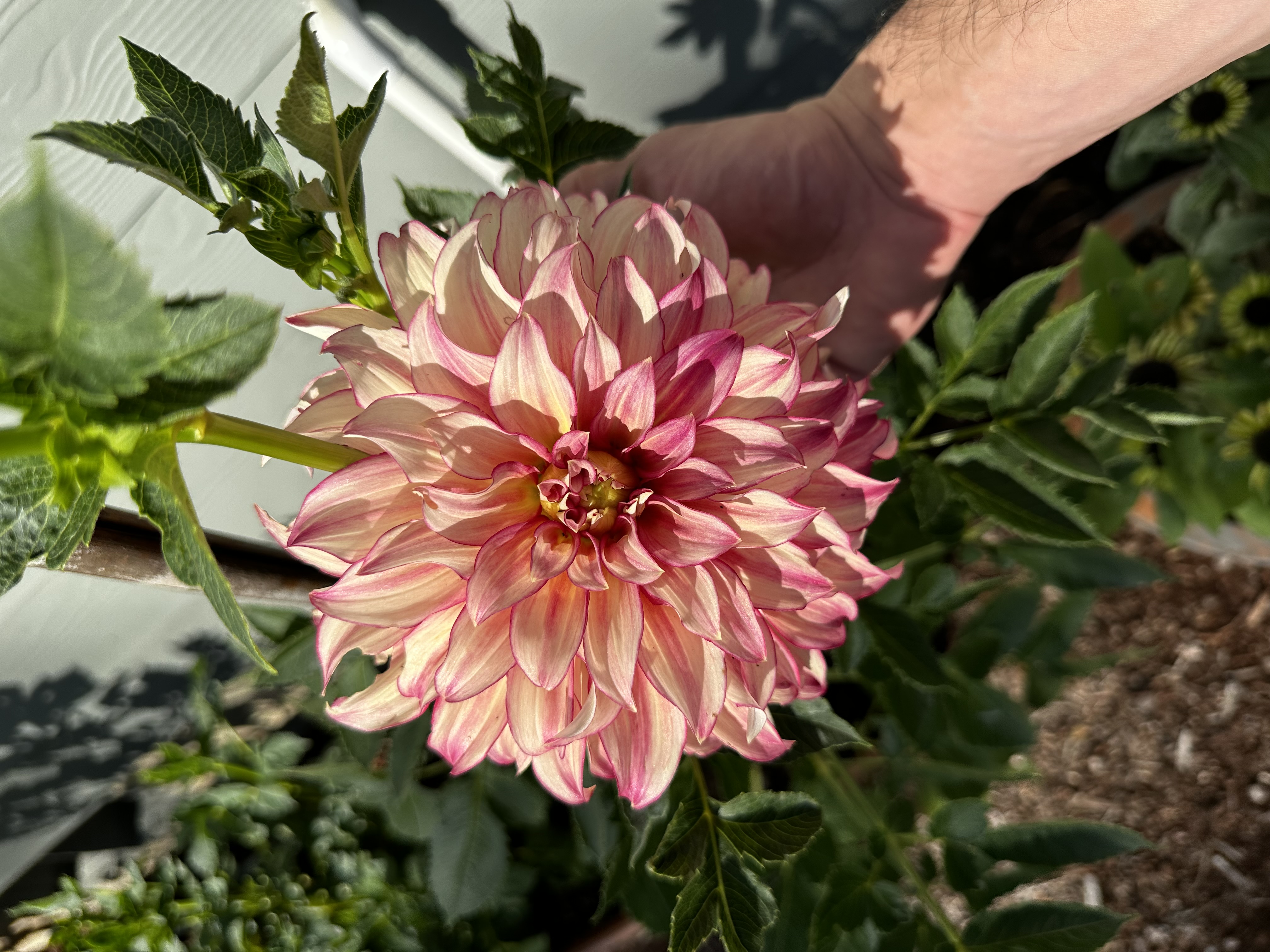
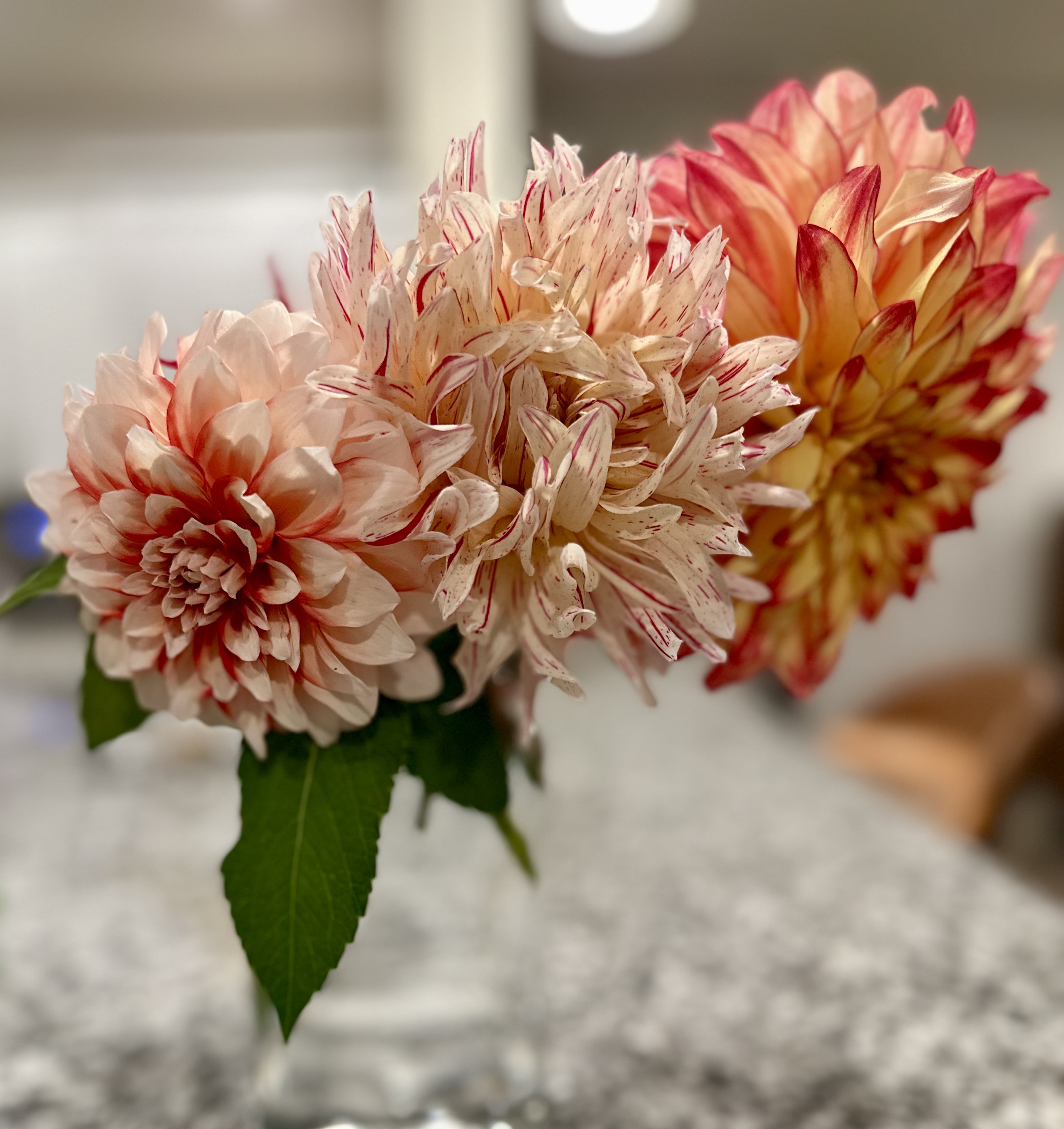
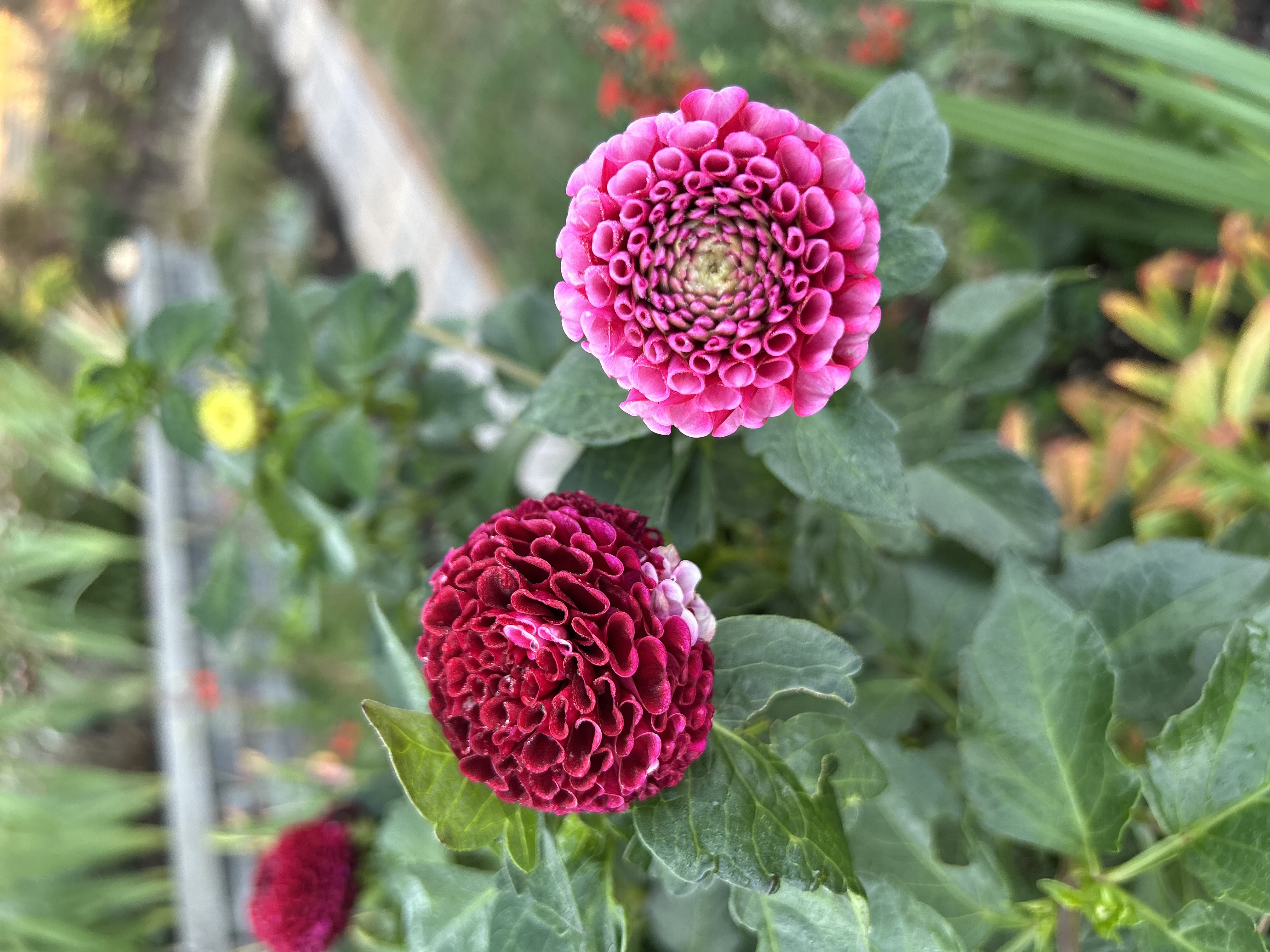
Dahlias are tender, tuber-forming perennials in the aster family, grown primarily for their long bloom season and extraordinary diversity of flower shapes. Depending on the cultivar, blooms may be small and simple, tightly formal, shaggy, cactus-like, or dinner-plate large, with colors ranging from soft cream and peach to saturated crimson, orange, plum, and near-black.
Most garden dahlias begin to flower in mid to late summer and continue until frost, which makes them especially valuable for carrying beds and borders through the second half of the season. Their branching habit and repeated bloom cycle reward regular cutting and deadheading, and many varieties are among the most productive flowers in the cutting garden.
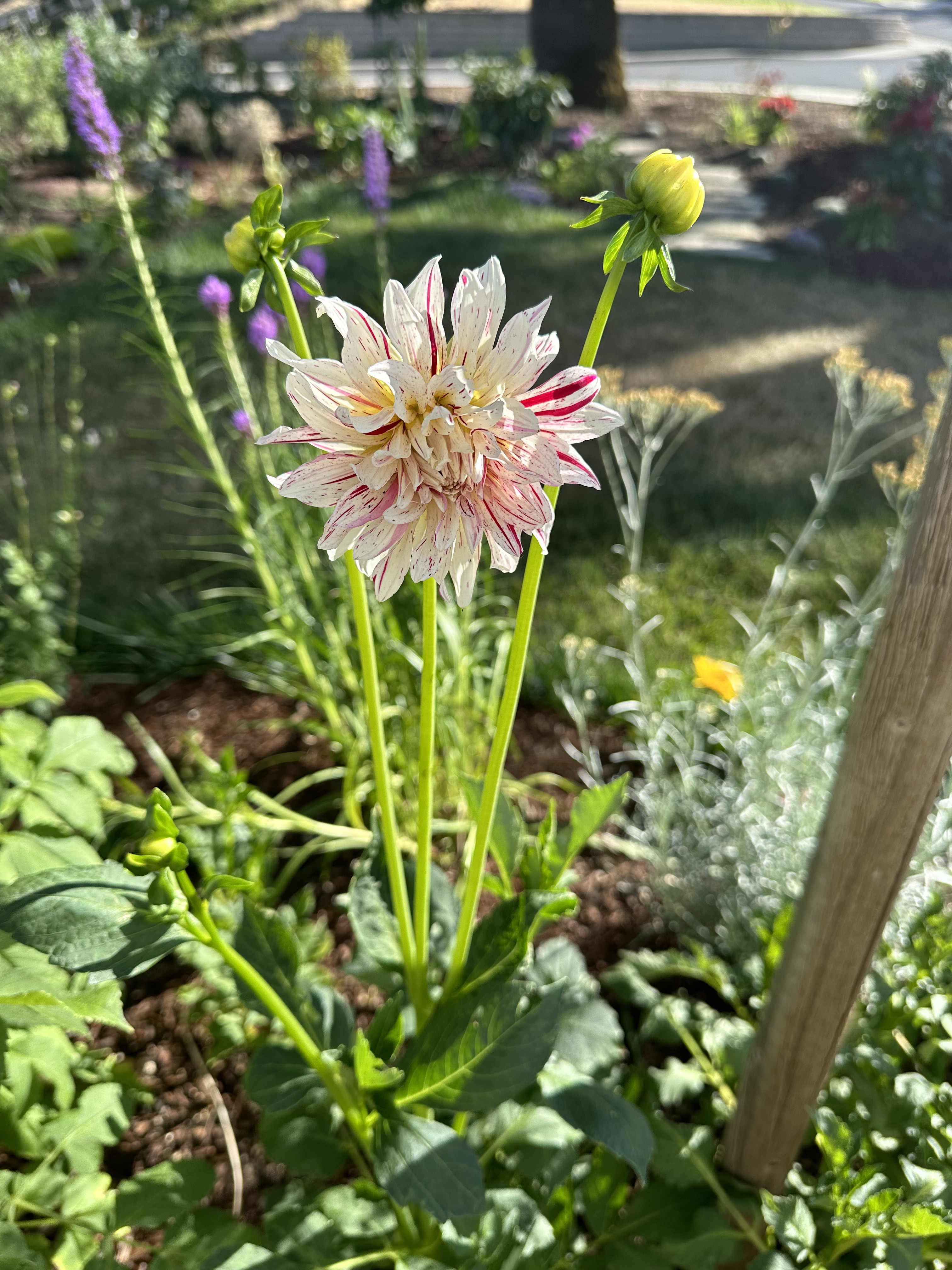
Dahlias perform best in full sun with fertile, well-drained soil and steady moisture during active growth. They are typically planted after the soil has warmed in spring, once frost danger has passed. Taller selections benefit from staking or support early, before stems become heavy with flowers.
Because flower form varies so widely, their ecological value varies too. Single and open-centered dahlias are much more accessible to bees and other pollinators, while densely doubled forms tend to function more as ornamental cut flowers than nectar sources. In design terms, dahlias can read as either refined or exuberant depending on cultivar, but nearly all of them bring strong late-season presence.
In climates with cold, wet winters, growers often lift and store tubers after frost blackens the tops, then divide and replant them in spring. With good drainage, consistent feeding, and room for air movement, dahlias offer one of the longest and most dramatic bloom windows in the garden.
Microclimate
Dahlias are strongly shaped by heat, light, and drainage at the yard scale. The most productive plants are usually the ones in warm, open positions with at least six hours of direct sun, loose soil, and enough airflow to keep foliage dry. Beds that collect reflected heat can speed early growth and bud formation, but they also demand more consistent irrigation during hot spells. In cooler or partially shaded pockets, plants often stay lush and green while blooming later and less heavily.
Neighborhood observations
Around neighborhood gardens, dahlias tend to perform best where the soil has been deliberately improved and irrigation is reliable through August and September. Plants in narrow strips or compacted ground often make foliage first and struggle to produce the same stem length or flower count. Taller varieties look especially good in protected beds near fences or houses, where supports can disappear into the planting and blooms are sheltered from wind.
Gallery
Supporting media
Supporting media