Ponderosa pine Ponderosa pine
Pinus ponderosa
Ponderosa pine brings a drier regional conifer note to the tree collection, with long needles, puzzle-piece bark, and an open crown that reads very differently from Douglas fir or grand fir. It can grow in Salem, but only if we respect what it is: a tree of sun, drainage, and space, not a conifer for the soggy center of the Fairview clay. Ponderosa pine brings a drier regional conifer note to the tree collection, with long needles, puzzle-piece bark, and an open crown that reads very differently from Douglas fir or grand fir. It can grow in Salem, but only if we respect what it is: a tree of sun, drainage, and space, not a conifer for the soggy center of the Fairview clay.
The Conifer That Smells Warm in the Sun
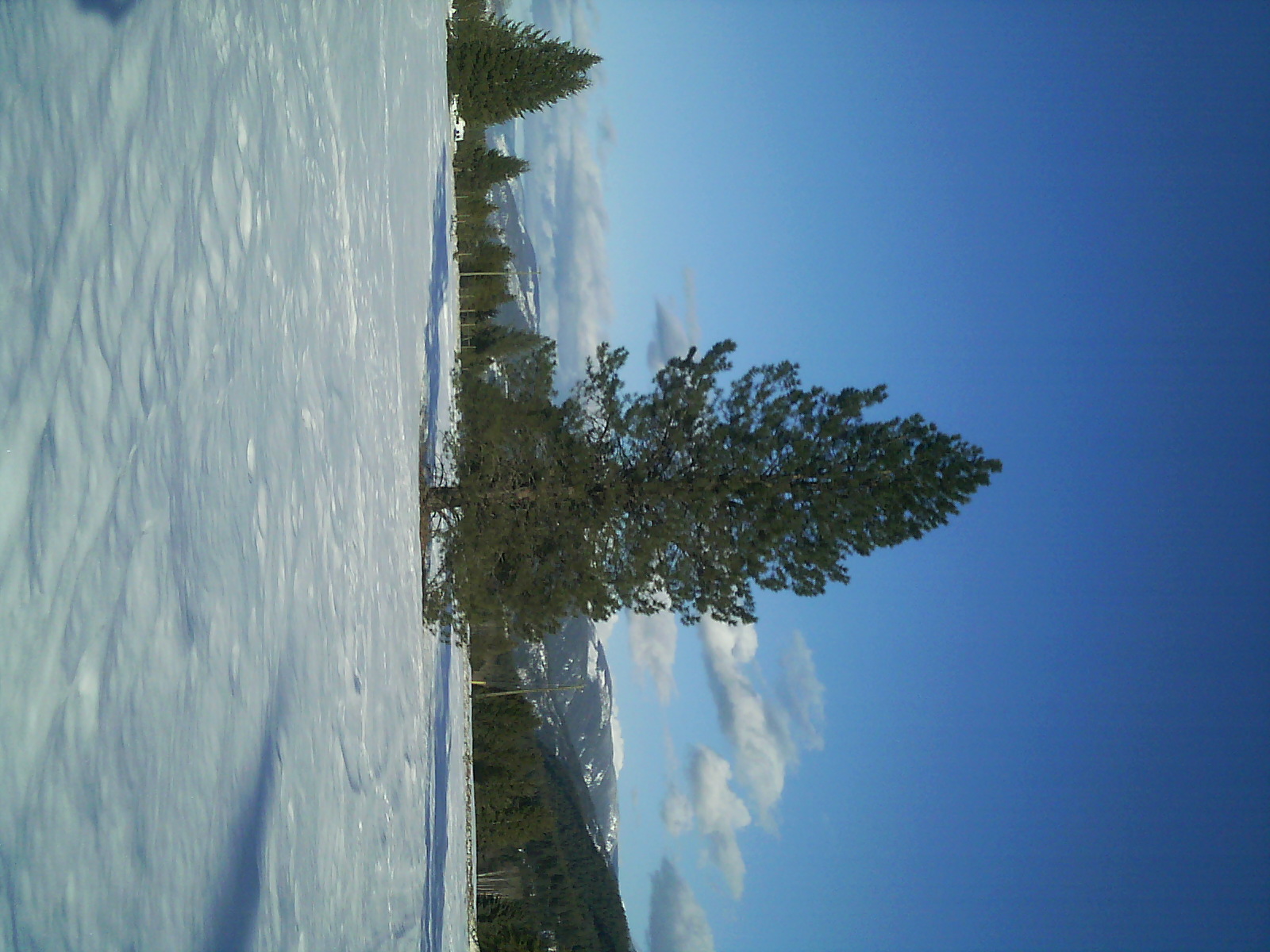
Ponderosa pine has a regional charisma all its own. Stand beside a mature trunk on a warm afternoon and the bark can smell faintly of vanilla or warm resin. Look up and the crown is open enough to let sky through, nothing like the denser, darker mass of a Douglas fir. The bark eventually breaks into big orange-brown plates, and the needles gather in long bundles that give the whole tree a looser, more spacious feel.
That look matters in a Pacific Northwest collection. We already know the coastal conifers well: Douglas fir, western hemlock, western red cedar. Ponderosa pine widens the regional story. It belongs more to dry valleys, eastside forests, and interior slopes than to the winter-wet valley floor, but it still feels unmistakably western and Oregonian.
How It Differs from the Firs
Ponderosa pine is a sun tree first. It wants open exposure and room around its crown. Young trees are fairly conical, but mature specimens open out, showing more trunk and more separation between branches than our wetter-side conifers usually do.
That lighter crown makes it a different design tool. Douglas fir creates mass and shelter. Ponderosa pine creates height and atmosphere without throwing such heavy shade. In the right place, it can feel almost park-like.
The tradeoff is that ponderosa does not forgive the wrong soil the way red alder sometimes can. It expects drainage. In the wild it often grows in sandy, rocky, or well-aerated mineral soils where winter water does not sit around the roots for long.
On the Fairview Clay
This is the central question. Can ponderosa pine grow on the Fairview clay? Yes, but only on our terms and the tree's terms at once. It needs the driest, highest, best-drained site we have. A berm, slope, gravelly rise, or strongly elevated planting area is the right starting point. A low flat that stays saturated through winter is the wrong one.
Think about it the same way we think about madrone, but with more eventual size and more tolerance for inland heat. Plant high. Keep the backfill close to native soil, but open it with coarse mineral amendment if the clay is tight. Keep mulch thin near the trunk. Water deeply while the tree is establishing, then taper down.
Most importantly, keep it out of lawn irrigation. A ponderosa pine planted in a regularly watered turf panel may survive for a while and then begin the long slow decline that comes from being too wet for too long.
Year by Year
In the first several years, ponderosa pine often looks slower than people expect. It is building roots and adjusting to the site. A young tree in poor drainage may stall, yellow, or look thin. A young tree in the right place will gradually gain confidence and begin to push stronger candle growth each spring.
By year five or six, a successful planting starts to look settled and increasingly drought-tough. The long needles become fuller, the trunk thickens, and the tree begins to take on that upright western posture people associate with dry mountain forests.
Long term, ponderosa is a big tree. Even when urban specimens stay smaller than forest giants, they still demand overhead and lateral room. This is not a plant for squeezing between a sidewalk and a roofline.
Regional Status and Why It Still Belongs in the Collection
Ponderosa pine is not a Willamette Valley native in the strict local sense. It is a major tree of inland Oregon, the eastern Cascades, and the broader interior West. Including it in The Patient Garden makes sense because the project is also a neighborhood field guide to the wider regional plant story, not only a list of hyperlocal natives.
That distinction is useful. Not every tree in the collection has to be a valley-floor native. Some should tell us about the broader Oregon landscape and how different species meet different climates and soils.
Wildlife Value
Like most pines, ponderosa is wind-pollinated, so it is not a flower destination for bees in the way cherries or elderberries are. But that does not mean it lacks ecological value. Mature trees provide seed, perching structure, cover, and bark habitat. The open crown supports birds differently than denser conifers do, and older trunks become increasingly valuable as habitat surfaces.
Its contribution is structural and long-term. A good pine changes the vertical character of a landscape for generations.
Management and Fit in a Salem Garden
Plant ponderosa only where you can mean it. Do not put it in the wet spot and hope roots will sort it out. Do not put it under wires. Do not assume annual pruning can make a large western conifer behave like a small ornamental.
If you can give it sun, drainage, and distance from constant irrigation, it becomes one of the most distinctive conifers we can grow. If you cannot, choose a different tree and save yourself years of frustration.
The Patient Perspective
Ponderosa pine is a patient tree because it asks us to think in landscape terms, not flower-bed terms. It asks where the water moves, where the sky opens, and what the site will feel like in thirty years.
That is a healthy question for the old Fairview site. The answer may not be yes everywhere. But where the answer is yes, ponderosa pine gives us a beautiful way to connect Salem to the drier Oregon just beyond the valley.
The Conifer That Smells Warm in the Sun
Ponderosa pine has a regional charisma all its own. Stand beside a mature trunk on a warm afternoon and the bark can smell faintly of vanilla or warm resin. Look up and the crown is open enough to let sky through, nothing like the denser, darker mass of a Douglas fir. The bark eventually breaks into big orange-brown plates, and the needles gather in long bundles that give the whole tree a looser, more spacious feel.
That look matters in a Pacific Northwest collection. We already know the coastal conifers well: Douglas fir, western hemlock, western red cedar. Ponderosa pine widens the regional story. It belongs more to dry valleys, eastside forests, and interior slopes than to the winter-wet valley floor, but it still feels unmistakably western and Oregonian.
How It Differs from the Firs
Ponderosa pine is a sun tree first. It wants open exposure and room around its crown. Young trees are fairly conical, but mature specimens open out, showing more trunk and more separation between branches than our wetter-side conifers usually do.
That lighter crown makes it a different design tool. Douglas fir creates mass and shelter. Ponderosa pine creates height and atmosphere without throwing such heavy shade. In the right place, it can feel almost park-like.
The tradeoff is that ponderosa does not forgive the wrong soil the way red alder sometimes can. It expects drainage. In the wild it often grows in sandy, rocky, or well-aerated mineral soils where winter water does not sit around the roots for long.
On the Fairview Clay
This is the central question. Can ponderosa pine grow on the Fairview clay? Yes, but only on our terms and the tree's terms at once. It needs the driest, highest, best-drained site we have. A berm, slope, gravelly rise, or strongly elevated planting area is the right starting point. A low flat that stays saturated through winter is the wrong one.
Think about it the same way we think about madrone, but with more eventual size and more tolerance for inland heat. Plant high. Keep the backfill close to native soil, but open it with coarse mineral amendment if the clay is tight. Keep mulch thin near the trunk. Water deeply while the tree is establishing, then taper down.
Most importantly, keep it out of lawn irrigation. A ponderosa pine planted in a regularly watered turf panel may survive for a while and then begin the long slow decline that comes from being too wet for too long.
Year by Year
In the first several years, ponderosa pine often looks slower than people expect. It is building roots and adjusting to the site. A young tree in poor drainage may stall, yellow, or look thin. A young tree in the right place will gradually gain confidence and begin to push stronger candle growth each spring.
By year five or six, a successful planting starts to look settled and increasingly drought-tough. The long needles become fuller, the trunk thickens, and the tree begins to take on that upright western posture people associate with dry mountain forests.
Long term, ponderosa is a big tree. Even when urban specimens stay smaller than forest giants, they still demand overhead and lateral room. This is not a plant for squeezing between a sidewalk and a roofline.
Regional Status and Why It Still Belongs in the Collection
Ponderosa pine is not a Willamette Valley native in the strict local sense. It is a major tree of inland Oregon, the eastern Cascades, and the broader interior West. Including it in The Patient Garden makes sense because the project is also a neighborhood field guide to the wider regional plant story, not only a list of hyperlocal natives.
That distinction is useful. Not every tree in the collection has to be a valley-floor native. Some should tell us about the broader Oregon landscape and how different species meet different climates and soils.
Wildlife Value
Like most pines, ponderosa is wind-pollinated, so it is not a flower destination for bees in the way cherries or elderberries are. But that does not mean it lacks ecological value. Mature trees provide seed, perching structure, cover, and bark habitat. The open crown supports birds differently than denser conifers do, and older trunks become increasingly valuable as habitat surfaces.
Its contribution is structural and long-term. A good pine changes the vertical character of a landscape for generations.
Management and Fit in a Salem Garden
Plant ponderosa only where you can mean it. Do not put it in the wet spot and hope roots will sort it out. Do not put it under wires. Do not assume annual pruning can make a large western conifer behave like a small ornamental.
If you can give it sun, drainage, and distance from constant irrigation, it becomes one of the most distinctive conifers we can grow. If you cannot, choose a different tree and save yourself years of frustration.
The Patient Perspective
Ponderosa pine is a patient tree because it asks us to think in landscape terms, not flower-bed terms. It asks where the water moves, where the sky opens, and what the site will feel like in thirty years.
That is a healthy question for the old Fairview site. The answer may not be yes everywhere. But where the answer is yes, ponderosa pine gives us a beautiful way to connect Salem to the drier Oregon just beyond the valley.
Continue Continuar