Backyard bats Backyard bats
Chiroptera spp.
Backyard bats are the fast, dark scribbles that appear over Salem gardens just after sunset, eating insects while most of us are still deciding whether it counts as night yet. Around Fairview, they turn the evening air above trees, roofs, and open ground into feeding space. Backyard bats are the fast, dark scribbles that appear over Salem gardens just after sunset, eating insects while most of us are still deciding whether it counts as night yet. Around Fairview, they turn the evening air above trees, roofs, and open ground into feeding space.
The First Fast Shapes of Evening
There is a moment on summer evenings in The Patient Garden when the swallows are gone, the robins are settling down, and the sky still holds just enough light to see movement against it. Then the first bat cuts through, low and fast, turning in a way no bird quite does. A second follows over the open ground. Suddenly the whole airspace above the garden feels occupied by a different shift of animals.
That is the easiest way to meet bats around Shall and Audubon. Not by species name first, and not by roost discovery, but by flight style at dusk. They are part of the neighborhood, even when we never see where they spend the day.
A Broader Bat Page Is the Honest One
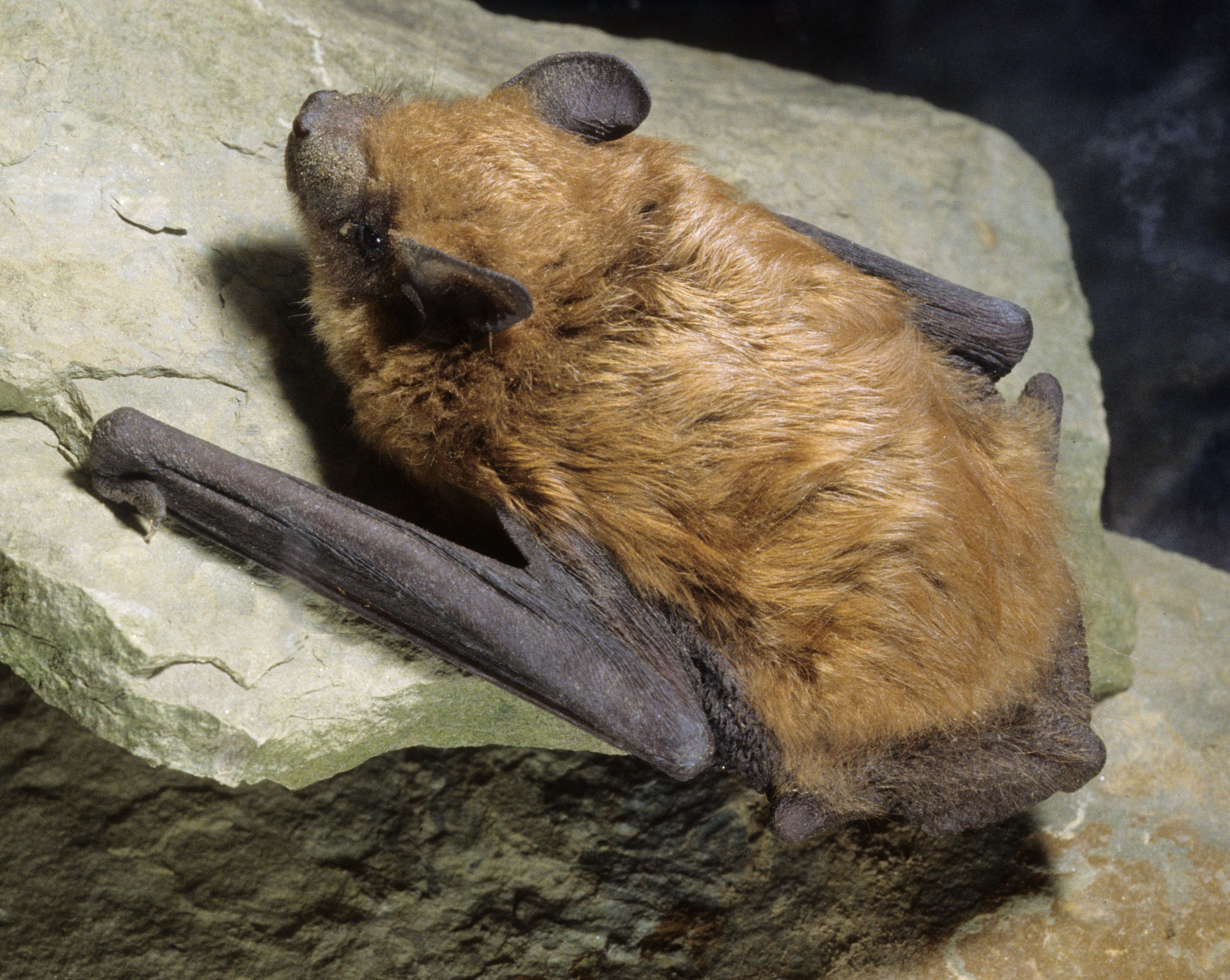
Several small insect-eating bats can use Salem neighborhoods, and from the ground at dusk most quick flyovers will not be identifiable to species. Big brown bats are reliable urban users in many western towns. Myotis bats may also pass through or forage nearby. The right field-guide move here is not false precision. It is to learn what backyard bats are doing and what kind of habitat keeps them working over the garden.
The first thing they are doing is eating insects. A lot of insects. Midges over damp ground, moths above the beds, beetles lifting from the lawn, and the small dusk-flying prey that collect near edges and sheltered air.
How the Site Shapes Bat Activity
The old Fairview site is useful to bats because it is not a single uniform thing. It offers open flight lanes, taller trees, building edges, and patches of moisture that hold insect life. The Fairview clay matters more than you might expect. In wet seasons it keeps shallow depressions damp and insect-rich longer. In summer, irrigated beds and watered lawns create cool feeding strips where moths and other insects continue moving after the wider ground has dried down.
Bats take advantage of that patchwork. They may emerge from roosts in buildings, cavities, or trees elsewhere in the neighborhood, then feed over the open areas, along the tree line, and above the garden where insect traffic is concentrated.
Flight, Sound, and Misunderstanding
Bats do not fly randomly. Their turns are purposeful, built around echolocation and prey pursuit. To us, the flight looks erratic. To the bat, it is tight control. Small bats often make quick angular turns over a single patch, then disappear across the site at surprising speed.
They also do not want your hair, do not come looking for people, and are usually paying us very little attention. The biggest backyard mistake is handling a grounded bat. If one is found down, that is a wildlife-rehab situation, not a curiosity exercise.
Around The Patient Garden
The best bat watching around The Patient Garden comes on warm still evenings from late spring through early fall. Stand where you can see both open sky and the tree edge. Watch just after sunset, when there is still enough contrast to catch the silhouettes. Bats often begin over the higher air first, then drop lower as insect layers shift.
A garden with night-scented flowers, layered plantings, and no pesticide routine is better bat habitat than a sterile one. Not because bats are nectar feeders here, but because diverse plantings build insect abundance. Every moth you did not poison becomes potential bat food.
That ecological link matters. Bats are not separate from the garden story. They are one of the strongest arguments for letting the evening insect world remain intact.
Roosts and Conservation
Roosts may be in tree cavities, bark crevices, outbuildings, attics, or gaps under roofing. Good roost sites are warm, dry, and undisturbed. That means some of the best bat habitat in neighborhoods is also the habitat people are quickest to seal, renovate, or remove.
Conservation concerns vary by species, and bat disease in North America has made roost protection and careful monitoring more important than they used to be. For neighborhood-scale support, the most useful actions are simple: keep mature trees where safe, avoid needless pesticide use, protect known roosts when possible, and install bat boxes only where placement is thoughtful and realistic.
Why They Matter Here
Backyard bats are easy to miss because they work at the edge of visibility. But once you start looking for them, summer evenings at the old Fairview site make less sense without them. They are part of the air above the garden in the same way swallows are part of the afternoon sky.
The feeling they give is a good one. The day is over, the heat is easing, and another layer of neighborhood life is beginning. Bats mark that transition better than almost anything else we have.
The First Fast Shapes of Evening
There is a moment on summer evenings in The Patient Garden when the swallows are gone, the robins are settling down, and the sky still holds just enough light to see movement against it. Then the first bat cuts through, low and fast, turning in a way no bird quite does. A second follows over the open ground. Suddenly the whole airspace above the garden feels occupied by a different shift of animals.
That is the easiest way to meet bats around Shall and Audubon. Not by species name first, and not by roost discovery, but by flight style at dusk. They are part of the neighborhood, even when we never see where they spend the day.
A Broader Bat Page Is the Honest One
Several small insect-eating bats can use Salem neighborhoods, and from the ground at dusk most quick flyovers will not be identifiable to species. Big brown bats are reliable urban users in many western towns. Myotis bats may also pass through or forage nearby. The right field-guide move here is not false precision. It is to learn what backyard bats are doing and what kind of habitat keeps them working over the garden.
The first thing they are doing is eating insects. A lot of insects. Midges over damp ground, moths above the beds, beetles lifting from the lawn, and the small dusk-flying prey that collect near edges and sheltered air.
How the Site Shapes Bat Activity
The old Fairview site is useful to bats because it is not a single uniform thing. It offers open flight lanes, taller trees, building edges, and patches of moisture that hold insect life. The Fairview clay matters more than you might expect. In wet seasons it keeps shallow depressions damp and insect-rich longer. In summer, irrigated beds and watered lawns create cool feeding strips where moths and other insects continue moving after the wider ground has dried down.
Bats take advantage of that patchwork. They may emerge from roosts in buildings, cavities, or trees elsewhere in the neighborhood, then feed over the open areas, along the tree line, and above the garden where insect traffic is concentrated.
Flight, Sound, and Misunderstanding
Bats do not fly randomly. Their turns are purposeful, built around echolocation and prey pursuit. To us, the flight looks erratic. To the bat, it is tight control. Small bats often make quick angular turns over a single patch, then disappear across the site at surprising speed.
They also do not want your hair, do not come looking for people, and are usually paying us very little attention. The biggest backyard mistake is handling a grounded bat. If one is found down, that is a wildlife-rehab situation, not a curiosity exercise.
Around The Patient Garden
The best bat watching around The Patient Garden comes on warm still evenings from late spring through early fall. Stand where you can see both open sky and the tree edge. Watch just after sunset, when there is still enough contrast to catch the silhouettes. Bats often begin over the higher air first, then drop lower as insect layers shift.
A garden with night-scented flowers, layered plantings, and no pesticide routine is better bat habitat than a sterile one. Not because bats are nectar feeders here, but because diverse plantings build insect abundance. Every moth you did not poison becomes potential bat food.
That ecological link matters. Bats are not separate from the garden story. They are one of the strongest arguments for letting the evening insect world remain intact.
Roosts and Conservation
Roosts may be in tree cavities, bark crevices, outbuildings, attics, or gaps under roofing. Good roost sites are warm, dry, and undisturbed. That means some of the best bat habitat in neighborhoods is also the habitat people are quickest to seal, renovate, or remove.
Conservation concerns vary by species, and bat disease in North America has made roost protection and careful monitoring more important than they used to be. For neighborhood-scale support, the most useful actions are simple: keep mature trees where safe, avoid needless pesticide use, protect known roosts when possible, and install bat boxes only where placement is thoughtful and realistic.
Why They Matter Here
Backyard bats are easy to miss because they work at the edge of visibility. But once you start looking for them, summer evenings at the old Fairview site make less sense without them. They are part of the air above the garden in the same way swallows are part of the afternoon sky.
The feeling they give is a good one. The day is over, the heat is easing, and another layer of neighborhood life is beginning. Bats mark that transition better than almost anything else we have.
Continue Continuar