Orb-weavers Orb-weavers
Araneidae
Orb-weavers are the evening engineers of the garden, building the classic wheel-shaped webs that catch dew, moths, and anyone hurrying down the path before coffee. Around Fairview, they are one of the best signs that the night insect world is still functioning. Orb-weavers are the evening engineers of the garden, building the classic wheel-shaped webs that catch dew, moths, and anyone hurrying down the path before coffee. Around Fairview, they are one of the best signs that the night insect world is still functioning.
The Web That Was Not There Yesterday
One of the small joys of walking through The Patient Garden early is finding a web where there was empty air the night before. Orb-weavers build quickly, often at dusk or in the dark, and by morning the garden can hold a new geometry between stakes, shrubs, rails, and tall stems. Add dew and the whole thing becomes impossible to ignore.
That speed of construction is part of their appeal. Orb-weavers make the garden feel freshly occupied every day.
Identification
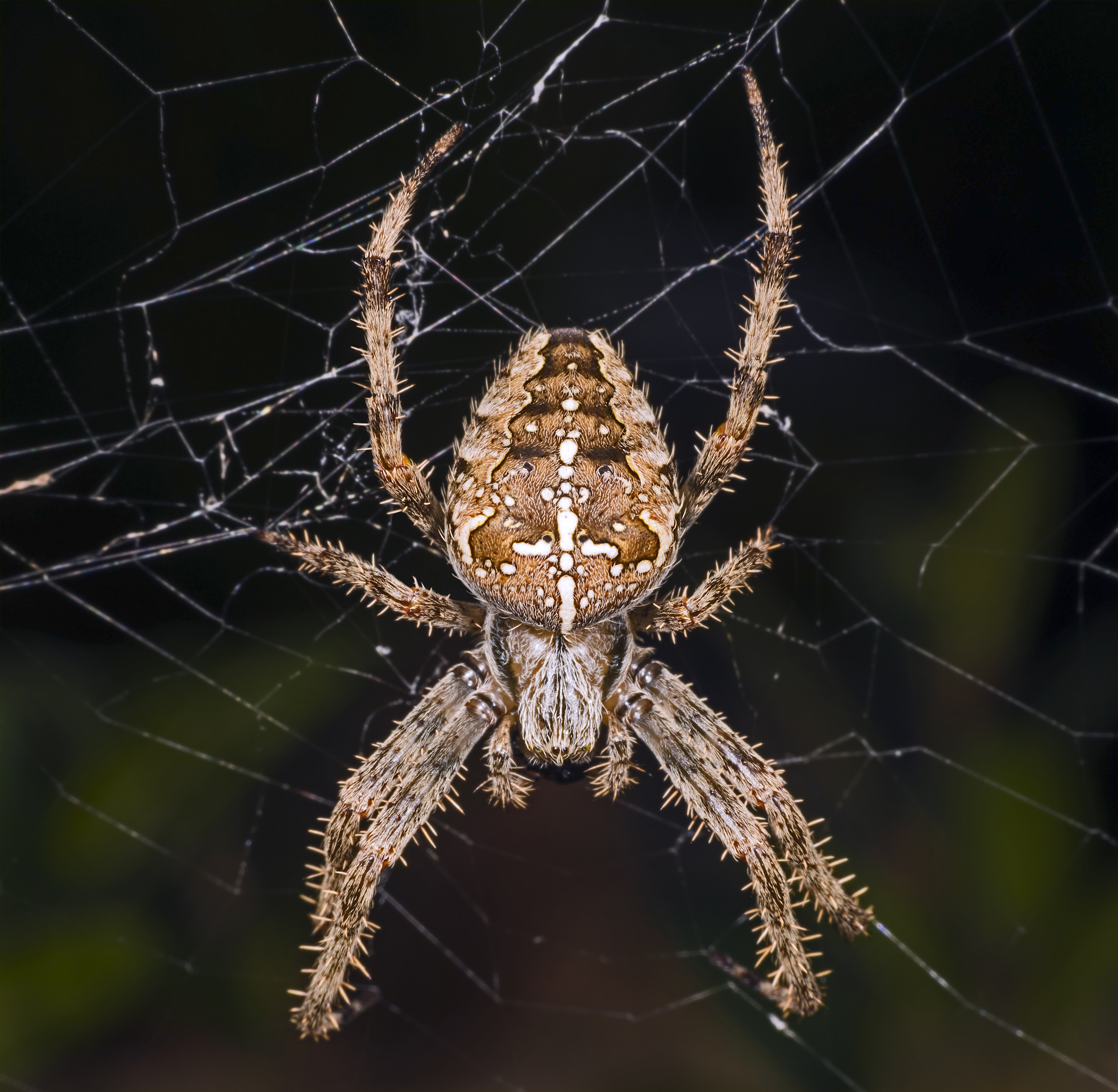
This is a broad spider family rather than one species, but the field mark that matters first is the web. Orb-weavers build the familiar circular wheel web, usually vertical and usually strung where flying insects are likely to pass. The spiders themselves vary in color and shape, from plump brown and orange garden species to brighter patterned forms, but most share a rounded abdomen and a sit-and-wait way of working once the web is in place.
Some rest at the center with legs paired out. Others hide off to the side and monitor the web through a signal line. Either way, the structure does most of the hunting.
Why Gardens Suit Them So Well
A garden full of flight lines is perfect orb-weaver country. Paths, gaps between shrubs, tomato cages, bean poles, fences, and porch corners all create anchor points. If moths, flies, and other night insects are moving through, orb-weavers can turn those routes into feeding stations with very little material.
The old Fairview site has the right mix of openness and structure. Too much dense vegetation and there is no clear web lane. Too much exposure and the web shreds or catches little. A tended but layered garden, especially one with evening insect activity, is the sweet spot.
Around The Patient Garden
Orb-weavers are mostly a late summer and fall story in obvious garden numbers, though smaller individuals and earlier webs can appear much sooner. By August and September the spiders are often large enough and the webs placed prominently enough that even non-spider people start noticing them.
This is when the garden becomes an obstacle course of silver threads at dawn. Between dahlias, along the fence, under the eaves, and across the open seam between a shrub and a stake, the webs appear exactly where a hurried person is most likely to walk. The spider is not targeting us, of course. It is targeting the same open route the insects are using.
The night side of the garden matters here. Porch lights, warm walls, flowering tobacco, night moths, and humid late-summer air all increase insect movement. Orb-weavers convert that movement into body mass with admirable efficiency.
What They Catch and What They Mean
Orb-weavers feed on flying insects, especially moths, flies, gnats, and whatever else strikes the web hard enough to stick. They wrap prey quickly and often rebuild the web when it is damaged or no longer worth maintaining. Many species recycle the silk by eating old web material before spinning again.
That constant rebuilding makes them useful indicators. A garden that can support large late-season orb-weavers is a garden still producing plenty of insects after dark. That is ecological abundance, even if some people experience it first as a face full of silk at six in the morning.
Fear, Safety, and Scale
Orb-weavers are not dangerous garden animals. They may look dramatic up close, but they are shy and focused on prey, not people. The right response to finding one is either admiration or a careful duck under the web, depending on the time of day and your caffeine status.
They also help recalibrate what counts as beautiful. A late September web hung with dew between seed heads can be one of the most striking things in the garden all week.
Conservation and Tolerance
Orb-weavers do not need species-level rescue here so much as habitat continuity. They need anchor points, evening insects, low pesticide pressure, and a garden culture willing to leave a web alone for more than a few minutes. Sweep everything flat every morning and the garden gets poorer fast.
Around The Patient Garden, orb-weavers are one of the clearest reminders that wildlife value does not stop at sunset. The flower garden becomes a hunting landscape at night, and the spiders make that visible by dawn. Once you start noticing their work, the garden feels fuller, more layered, and much less like something built only for daylight.
The Web That Was Not There Yesterday
One of the small joys of walking through The Patient Garden early is finding a web where there was empty air the night before. Orb-weavers build quickly, often at dusk or in the dark, and by morning the garden can hold a new geometry between stakes, shrubs, rails, and tall stems. Add dew and the whole thing becomes impossible to ignore.
That speed of construction is part of their appeal. Orb-weavers make the garden feel freshly occupied every day.
Identification
This is a broad spider family rather than one species, but the field mark that matters first is the web. Orb-weavers build the familiar circular wheel web, usually vertical and usually strung where flying insects are likely to pass. The spiders themselves vary in color and shape, from plump brown and orange garden species to brighter patterned forms, but most share a rounded abdomen and a sit-and-wait way of working once the web is in place.
Some rest at the center with legs paired out. Others hide off to the side and monitor the web through a signal line. Either way, the structure does most of the hunting.
Why Gardens Suit Them So Well
A garden full of flight lines is perfect orb-weaver country. Paths, gaps between shrubs, tomato cages, bean poles, fences, and porch corners all create anchor points. If moths, flies, and other night insects are moving through, orb-weavers can turn those routes into feeding stations with very little material.
The old Fairview site has the right mix of openness and structure. Too much dense vegetation and there is no clear web lane. Too much exposure and the web shreds or catches little. A tended but layered garden, especially one with evening insect activity, is the sweet spot.
Around The Patient Garden
Orb-weavers are mostly a late summer and fall story in obvious garden numbers, though smaller individuals and earlier webs can appear much sooner. By August and September the spiders are often large enough and the webs placed prominently enough that even non-spider people start noticing them.
This is when the garden becomes an obstacle course of silver threads at dawn. Between dahlias, along the fence, under the eaves, and across the open seam between a shrub and a stake, the webs appear exactly where a hurried person is most likely to walk. The spider is not targeting us, of course. It is targeting the same open route the insects are using.
The night side of the garden matters here. Porch lights, warm walls, flowering tobacco, night moths, and humid late-summer air all increase insect movement. Orb-weavers convert that movement into body mass with admirable efficiency.
What They Catch and What They Mean
Orb-weavers feed on flying insects, especially moths, flies, gnats, and whatever else strikes the web hard enough to stick. They wrap prey quickly and often rebuild the web when it is damaged or no longer worth maintaining. Many species recycle the silk by eating old web material before spinning again.
That constant rebuilding makes them useful indicators. A garden that can support large late-season orb-weavers is a garden still producing plenty of insects after dark. That is ecological abundance, even if some people experience it first as a face full of silk at six in the morning.
Fear, Safety, and Scale
Orb-weavers are not dangerous garden animals. They may look dramatic up close, but they are shy and focused on prey, not people. The right response to finding one is either admiration or a careful duck under the web, depending on the time of day and your caffeine status.
They also help recalibrate what counts as beautiful. A late September web hung with dew between seed heads can be one of the most striking things in the garden all week.
Conservation and Tolerance
Orb-weavers do not need species-level rescue here so much as habitat continuity. They need anchor points, evening insects, low pesticide pressure, and a garden culture willing to leave a web alone for more than a few minutes. Sweep everything flat every morning and the garden gets poorer fast.
Around The Patient Garden, orb-weavers are one of the clearest reminders that wildlife value does not stop at sunset. The flower garden becomes a hunting landscape at night, and the spiders make that visible by dawn. Once you start noticing their work, the garden feels fuller, more layered, and much less like something built only for daylight.
Continue Continuar